
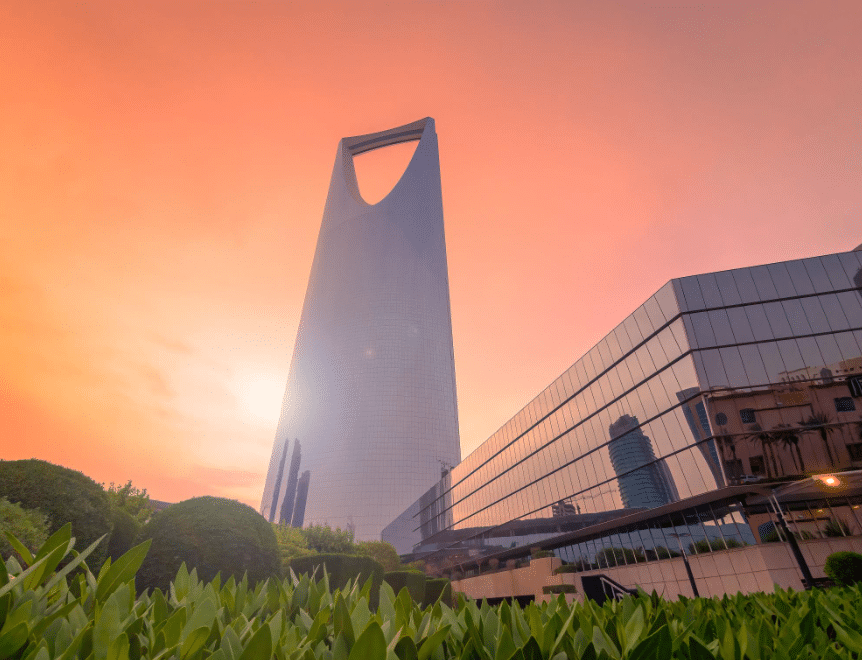
The global business map is changing fast, and two cities are clearly standing out in this shift: Dubai and Riyadh.
For years, Southeast Asian companies focused heavily on markets like China, Europe, and the US for expansion. But today, more businesses from countries such as Singapore, Malaysia, Indonesia, Thailand, and Vietnam are turning their attention toward the Gulf region, especially the UAE and Saudi Arabia.
And honestly, it makes perfect sense.
The economic connection between Southeast Asia and the Gulf is growing stronger every year. Trade between ASEAN countries and GCC nations reached over $130 billion in 2023, and both sides are now targeting even bigger numbers in the coming years.
A New Business Corridor Is Taking Shape
What we are seeing now is more than just trade growth.
A full business corridor is being created between Asia and the Gulf. Companies are not only exporting products anymore. They are opening regional headquarters, building partnerships, investing in real estate, expanding logistics operations, and entering sectors like technology, finance, retail, AI, tourism, and manufacturing.
Dubai has become one of the most attractive gateways for Asian firms because of its global connectivity, tax-friendly environment, advanced infrastructure, and international business culture.
At the same time, Riyadh is rapidly growing under Saudi Arabia’s Vision 2030 strategy, which is pushing massive investments into infrastructure, tourism, technology, and non-oil industries.
For many Southeast Asian businesses, these two cities now offer opportunities that are difficult to ignore.
Why Southeast Asian Companies Are Choosing the Gulf
One major reason is growth potential.
Many Asian businesses feel their home markets have become highly competitive. The Gulf, on the other hand, still offers space for expansion, especially in sectors like:
- Real estate
- Construction
- Fintech
- E-commerce
- Logistics
- Hospitality
- Food delivery
- Renewable energy
- AI and technology
The Gulf also has strong purchasing power and fast-growing consumer demand. Reports show that Middle Eastern markets are becoming increasingly attractive because customers spend more and governments are actively encouraging foreign investment.
Another big factor is connectivity.
The UAE and Saudi Arabia are positioning themselves as bridges connecting Asia, Africa, and Europe. Businesses entering Dubai or Riyadh are not only targeting Gulf consumers anymore. They are using the region as a strategic base for international operations.
Dubai’s Advantage as a Global Business Hub
Dubai continues to lead as one of the world’s most business-friendly cities.
Its appeal comes from a mix of factors:
- Easy company setup
- Strong banking system
- International workforce
- Excellent logistics infrastructure
- Free zones and investor-friendly regulations
- High quality of life
Asian financial institutions, investment firms, and multinational corporations are expanding heavily into Dubai’s financial districts and free zones.
Dubai’s real estate market is also attracting growing interest from Asian investors and entrepreneurs looking for both business opportunities and long-term residency options.
The city has successfully positioned itself as more than a tourism destination. It is now a serious global business center.
Riyadh’s Rise Cannot Be Ignored
At the same time, Riyadh is becoming one of the fastest-growing corporate destinations in the Middle East.
Saudi Arabia’s Regional Headquarters Program has encouraged multinational firms to establish operations inside the Kingdom if they want access to government contracts and long-term business opportunities.
This has already attracted hundreds of international companies, including major Asian firms.
Saudi Arabia’s huge investment plans in smart cities, infrastructure, transport, entertainment, tourism, and manufacturing are creating opportunities across multiple industries. Businesses see Riyadh not just as a local market, but as a future global economic powerhouse.
The Real Estate Sector Is Benefiting Too
This growing Asia-Gulf business relationship is also impacting the property market.
As more companies establish offices and operations in Dubai and Riyadh, demand for both commercial and residential real estate continues to rise.
Executives, investors, entrepreneurs, and skilled professionals moving into the region all contribute to stronger demand for:
- Luxury residences
- Serviced apartments
- Office spaces
- Retail developments
- Mixed-use communities
Dubai, especially, has seen increasing activity from international investors, many of whom are coming from Asian markets.
For the real estate industry, this trend creates long-term opportunities rather than short-term momentum.
The Bigger Picture
The relationship between Southeast Asia and the Gulf is no longer limited to oil trade or diplomatic meetings.
It is becoming a real economic partnership driven by investment, technology, innovation, infrastructure, and entrepreneurship.
And at the center of this transformation are Dubai and Riyadh.
As global business continues shifting eastward and southward, these cities are positioning themselves as key hubs in the next phase of international growth.
For companies, investors, and real estate professionals, this corridor is not just a trend.
It is the future of global business connectivity.

Join The Discussion