
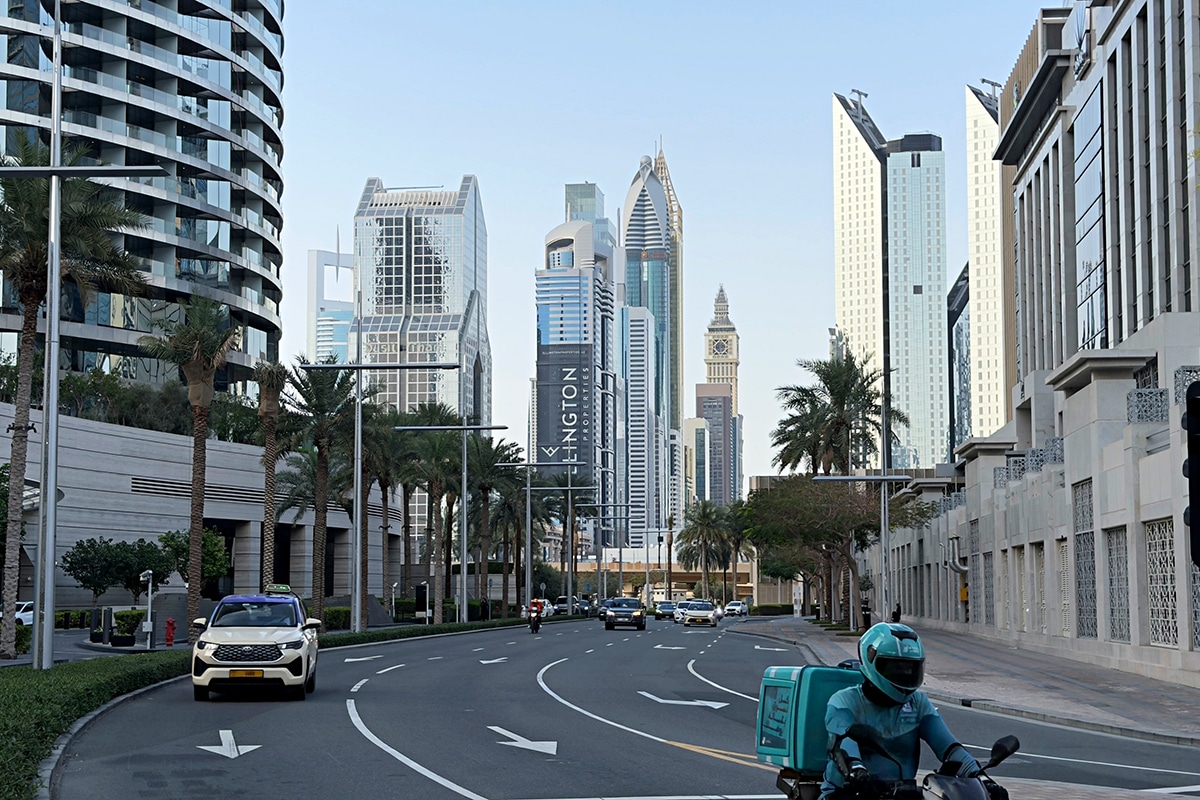
Dubai’s property market is showing signs of stabilisation after years of rapid growth, with residential prices recording a second consecutive monthly decline. However, the latest data also highlights an important shift in buyer behaviour: villas continue to hold stronger value compared to apartments.
According to recent ValuStrat data reported by Arabian Business, villa capital values declined by 1.7% month-on-month, while apartment values dropped by 2.2%. Despite the short-term correction, villa prices remain significantly stronger on a yearly basis due to sustained demand and limited supply.
Market Cooling After Strong Growth
Dubai’s real estate market has experienced exceptional growth since 2021, driven by foreign investment, population growth, residency reforms, and strong economic performance. Property prices surged across almost every major community, particularly in the luxury and villa segments.
Now, the market appears to be entering a more balanced phase.
Several analysts believe this slowdown is less of a market downturn and more of a natural correction following nearly two years of aggressive price appreciation. Reports indicate that transaction volumes have moderated while buyers are becoming more price-sensitive.
The decline also comes as new inventory continues to enter the market, especially in apartment-heavy communities where supply is increasing faster than demand.
Why Villas Are Still Holding Strong
Even though villa prices recorded a monthly dip, the segment continues to outperform apartments overall.
Demand for larger homes remains strong among end-users, international investors, and high-net-worth buyers looking for lifestyle-focused communities. Limited availability in established villa neighbourhoods has also helped maintain pricing strength.
Market reports show villa and townhouse prices are still recording stronger annual growth compared to apartments, especially in premium and family-oriented areas.
This trend reflects a broader shift in Dubai’s real estate landscape, where buyers increasingly prioritise:
- Space and privacy
- Community living
- Long-term family use
- Stable capital appreciation
Luxury villa communities and waterfront developments continue attracting global investors despite wider market adjustments.
Apartments Facing Greater Pressure
Apartment prices are seeing more pressure mainly due to higher upcoming supply and changing investor expectations.
Many apartment-focused areas witnessed rapid price increases over the last two years, making some buyers cautious at current price levels. In addition, off-plan launches across Dubai have significantly expanded apartment inventory.
While apartments still offer attractive rental yields and lower entry prices, the pace of capital appreciation is beginning to slow compared to previous years.
Analysts suggest that well-located apartments in prime communities are likely to remain resilient, while secondary locations may experience softer pricing.
Is This a Market Correction or a Warning Sign?
Most industry experts currently view the decline as a market normalisation rather than a major crash.
Dubai’s property market fundamentals remain supported by:
- Population growth
- International investor demand
- Long-term residency initiatives
- Infrastructure expansion
- Strong tourism and business activity
Even with monthly declines, annual property values in many areas remain above 2025 levels.
However, rising supply levels are expected to create more competition among developers and sellers over the next 12 to 18 months. Fitch Ratings previously warned that increased handovers could place downward pressure on prices if supply significantly outpaces demand.
What This Means for Buyers and Investors
For buyers, the current market may present stronger negotiation opportunities compared to the highly competitive environment seen over the last two years.
For investors, the focus is gradually shifting from short-term speculation toward:
- Quality locations
- Strong developer reputation
- Rental demand
- Long-term value retention
Villa communities, branded residences, and premium waterfront projects are still expected to perform relatively well, while oversupplied apartment zones could see slower growth.
Dubai’s real estate market is not losing momentum entirely. Instead, it is transitioning into a more mature and selective phase where strategic investment decisions matter more than ever.
As the market adjusts, opportunities will likely remain strongest in projects backed by strong fundamentals, lifestyle appeal, and sustainable demand.

Join The Discussion