
How record transaction volumes, PropTech adoption, and digital assets are reshaping Dubai’s real estate market
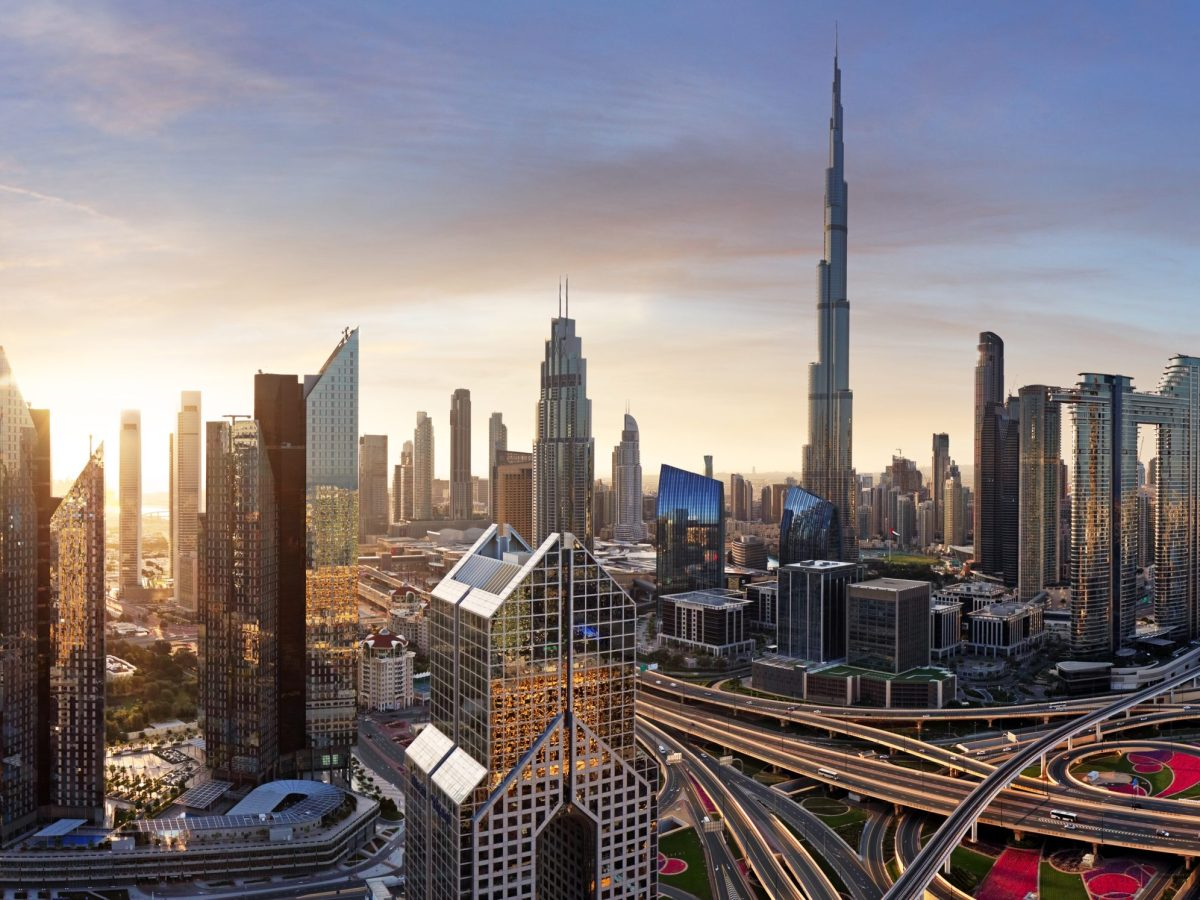
The tech-driven shift in Dubai real estate
The Dubai Land Department is leading efforts to integrate advanced technology into the property market. Its PropTech Hub, launched as part of a broader digital transformation strategy, is designed to attract 200 startups, create over 3,000 jobs, and bring in more than $300 million (around AED1.1 billion) in investment over the coming years. The initiative also targets an increase in the sector’s value to over AED4.5 billion as part of its medium-term strategy.
To speed up this shift, the DLD has partnered with REACH Middle East, a global PropTech accelerator, to connect innovators with real-world opportunities in Dubai’s property sector. This collaboration aims to bring practical solutions to the market, from streamlining property transactions to introducing advanced valuation and marketing tools.
Investor interest in PropTech is also rising. In 2025, Dubai-based startups were part of a strong regional wave that saw significant funding flow into PropTech, placing it among the top-funded sectors in the UAE. Across MENA, total startup funding exceeded $2 billion in the first half of 2025, reflecting growing confidence in digital transformation, including real estate innovation.
How AI and digital tools are changing the way homes are sold
Technology is reshaping the property transaction process from the first buyer enquiry to the final transfer. Platforms such as YallaValue now provide instant, automated property valuations, allowing buyers and sellers to make decisions based on real-time market data. In 2025, DIFC expanded access to real estate data through PropTech-focused APIs that allow third parties to access real estate data, including values, rental yields and transaction history, which broadens transparency and enables smarter tools for valuation and analytics.
AI is also beginning to play a more prominent role in the day-to-day work of agents. Lead generation, client matching, targeted marketing, and even drafting property descriptions are increasingly supported by machine learning tools. These technologies speed up the process, reduce human error, and enable agents to respond more quickly to client needs.
For buyers, the benefits are clear. Listings are more accurate, valuations are immediate, and communications are faster. For brokers, these tools offer the opportunity to handle more transactions efficiently and focus on the aspects of the job where human expertise remains essential, such as relationship building, negotiation, and local market insight.
Pressure on the traditional role of the agent
Dubai’s real estate sector has one of the largest concentrations of brokers in the world, with tens of thousands registered with the Dubai Land Department. The surge of PropTech platforms, AI-driven tools, and digital transaction services is reshaping how these professionals operate. Tasks that once required manual effort, such as prospecting for leads, producing valuations, and managing client follow-ups, are now being handled in part by automated systems.
This shift is not replacing the role of the agent but changing it. The emphasis is moving toward advisory skills, market analysis, and personalised service, as clients expect a combination of digital convenience and human expertise. Agents who integrate technology into their work can process deals faster, reach a wider audience, and deliver a more tailored experience to each buyer or seller.
The challenge lies in adaptation. As transaction cycles speed up and buyers come to expect instant access to information, brokers who rely only on traditional methods risk falling behind. This creates a potential skills gap, making ongoing training and upskilling essential for agents who want to remain competitive.
Alec James Smith, Head of Sales & Leasing at Savills Middle East, said, “We are seeing a clear shift in what buyers expect from the process. Speed, transparency, and accuracy are now essential, and the agents who can combine these with strong local knowledge will stand out. This means embracing new tools and making ongoing training a priority.”
Those who embrace both technology and continuous professional development are better positioned to succeed in an increasingly tech-driven market.
Cryptocurrency and tokenisation in property deals
In May 2025, the DLD launched the world’s first Property Token Ownership Certificate through its Real Estate Tokenisation initiative. The initial tokenised project sold out in one day, attracting 224 investors from 44 countries and generating a waitlist of more than 6,000 requests. Tokenisation allows properties to be divided into digital shares, enabling fractional ownership and easier cross-border trading of assets.
Later in July 2025, the Dubai Land Department (DLD) signed a Memorandum of Cooperation with Crypto.com to explore the use of blockchain and digital currencies in real estate, including the possibility of using Bitcoin, Ether, and stablecoins in transactions. The initiative aligns with Dubai’s broader Real Estate Strategy 2033 and aims to enhance market liquidity, investor access, and digital settlement capabilities.
This movement in Dubai is part of a broader global trend. Christie’s International Real Estate has launched a dedicated crypto division, already completing high-value transactions paid entirely in cryptocurrency, including a $65 million home in Beverly Hills. Globally, the tokenised asset market across all sectors is widely projected to reach between $2 trillion and $4 trillion by 2030, with real estate expected to be one of the largest categories benefiting from the model.
For Dubai, the integration of cryptocurrency and tokenisation adds another layer of appeal for global buyers. It also aligns with the city’s ambition to be a leading hub for innovation, offering developers and agents new ways to attract and close deals with a wider pool of investors.
The investor’s perspective
For investors, Dubai’s technology-driven approach to real estate is creating new opportunities for growth and diversification. The integration of PropTech, AI, and blockchain is shortening transaction cycles, improving access to data, and opening the market to a wider pool of buyers. Government-backed initiatives, such as the PropTech Hub and the Real Estate Tokenisation programme, are adding momentum by providing a regulated environment for innovation.
The appeal for international investors lies in the combination of speed, transparency, and liquidity. Instant property valuations, streamlined digital documentation, and the ability to transact using cryptocurrency or fractional ownership models make it easier to move capital in and out of the market. With demand for high-quality properties in Dubai continuing to grow, these tools also offer a way to capture value more quickly.
Developers and agencies that adopt these technologies early are gaining a competitive edge. They can reach global buyers more effectively, respond faster to market shifts, and position their projects as part of a future-ready investment landscape. For investors, this creates a clearer path to returns in a market that is becoming more efficient, accessible, and globally connected. This transformation is not only reshaping investor behaviour but also redefining how the market positions itself globally.
Conclusion
Dubai’s real estate sector is amid a digital transformation that is changing how properties are bought, sold, and managed. Technology is enhancing efficiency, widening market reach, and giving investors more ways to engage with the city’s property market. For brokers, developers, and investors, this is not a replacement for the traditional industry but an evolution of it.
The role of the agent remains central, with human expertise, negotiation skills, and market insight continuing to drive successful transactions. The difference now is the range of tools available to support that work, from instant valuations and AI-driven lead generation to cryptocurrency transactions and tokenised ownership models.
“Dubai has always been ahead of the curve in attracting global investment, and technology is now strengthening that advantage,” said Andrew Cummings, Head of Residential Agency at Savills Middle East. “As the market becomes faster, more transparent, and more accessible, we expect Dubai to set a benchmark for how real estate is transacted in major cities worldwide.”
By adapting to these changes and embracing innovation, the industry can strengthen its position in a competitive global market. Dubai’s commitment to supporting PropTech, regulating digital assets, and creating an investor-friendly environment ensures that those who move with the market will be well placed to benefit from its next phase of growth.
Stay tuned as this line continues to rise from blueprint to bustling reality — and get ready to explore Dubai with even greater ease in the years ahead!
News Source https://www.constructionweekonline.com/business/insights/dubais-tech-led-shift-2026
Contact Keystone Real Estate and discuss the most lucrative Airbnb investment options in Dubai.
Call: +971 52 984 7151
Website: www.ksgre.ae

Join The Discussion